When the World Stopped
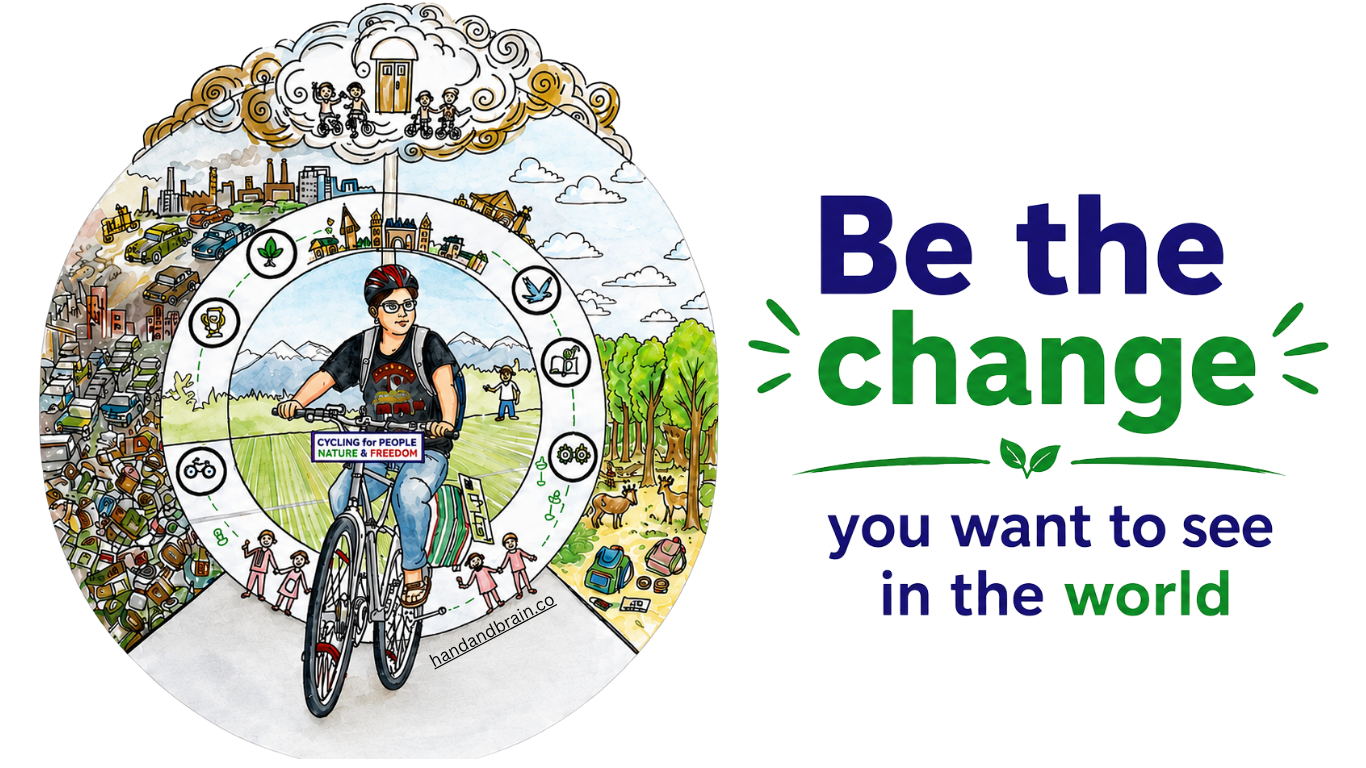
Then came COVID-19. The whole world suddenly stopped. People were waiting and asking, When will this crisis end? When will life become normal again? But I started looking at the situation from a different lens. For me, the pandemic felt almost like a teacher standing in the middle of our fast-moving lives and saying, “Stop. Look at what you are doing.” For years, we had been moving faster and faster, extracting from nature, consuming more, demanding more comfort and luxury, and treating nature as if its resources were unlimited. Suddenly, the whole world was forced to stay inside. At the same time, I could see that the crisis was not affecting everyone equally. Marginalised communities, vulnerable people, farmers, workers, and people already struggling in their lives were facing much deeper difficulties.
I began asking myself: Why is this happening? Why are we running so fast? What are we really chasing? What kind of future are we creating? What is happening to our environment? Why do so many women still struggle to move freely and safely? I did not have the answers, but I knew I had to start searching for them. The pandemic became a major turning point in my life.
My Journey
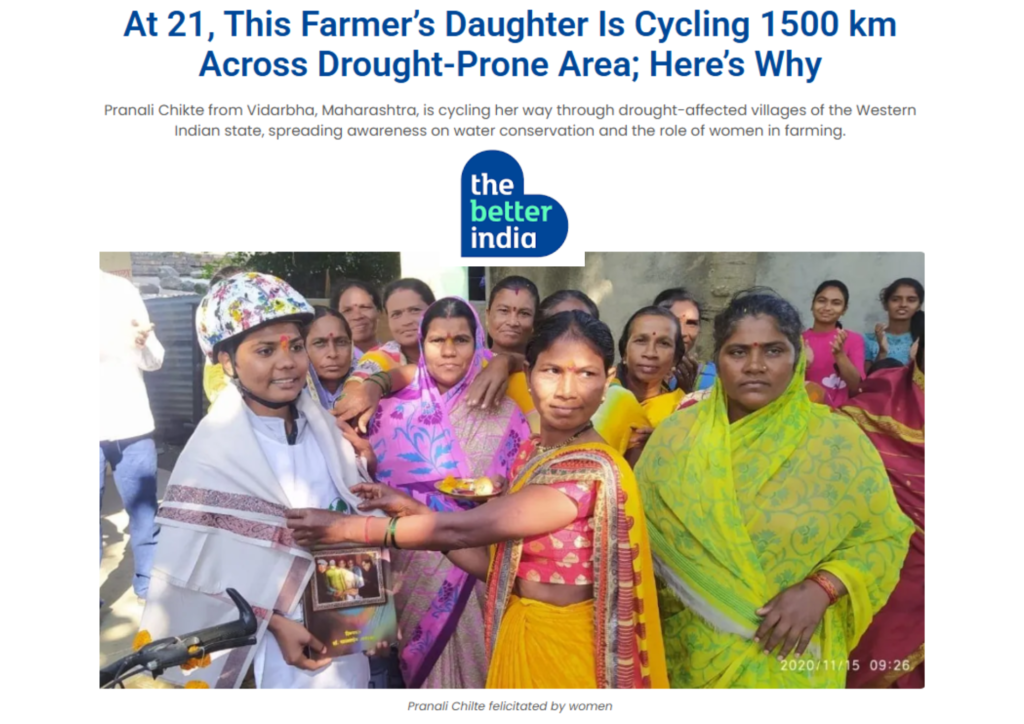
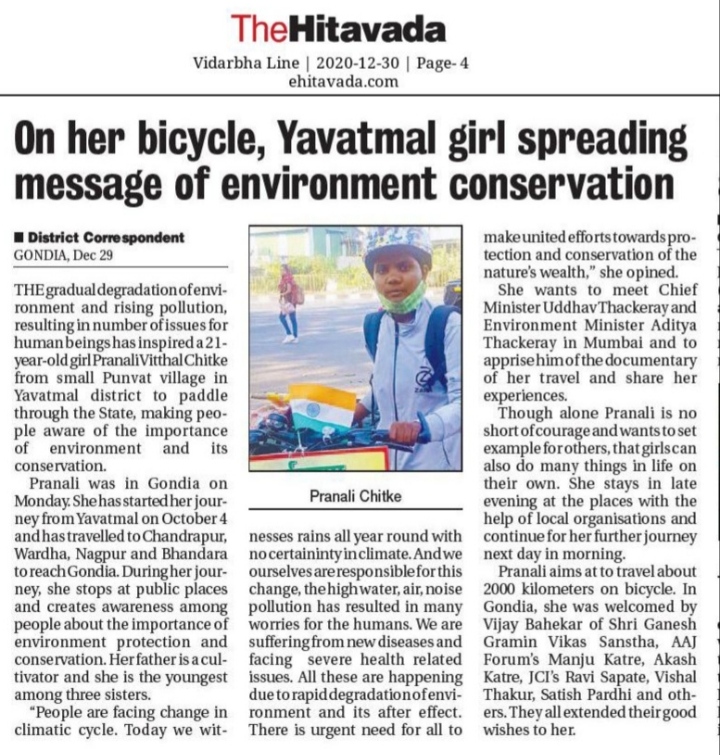
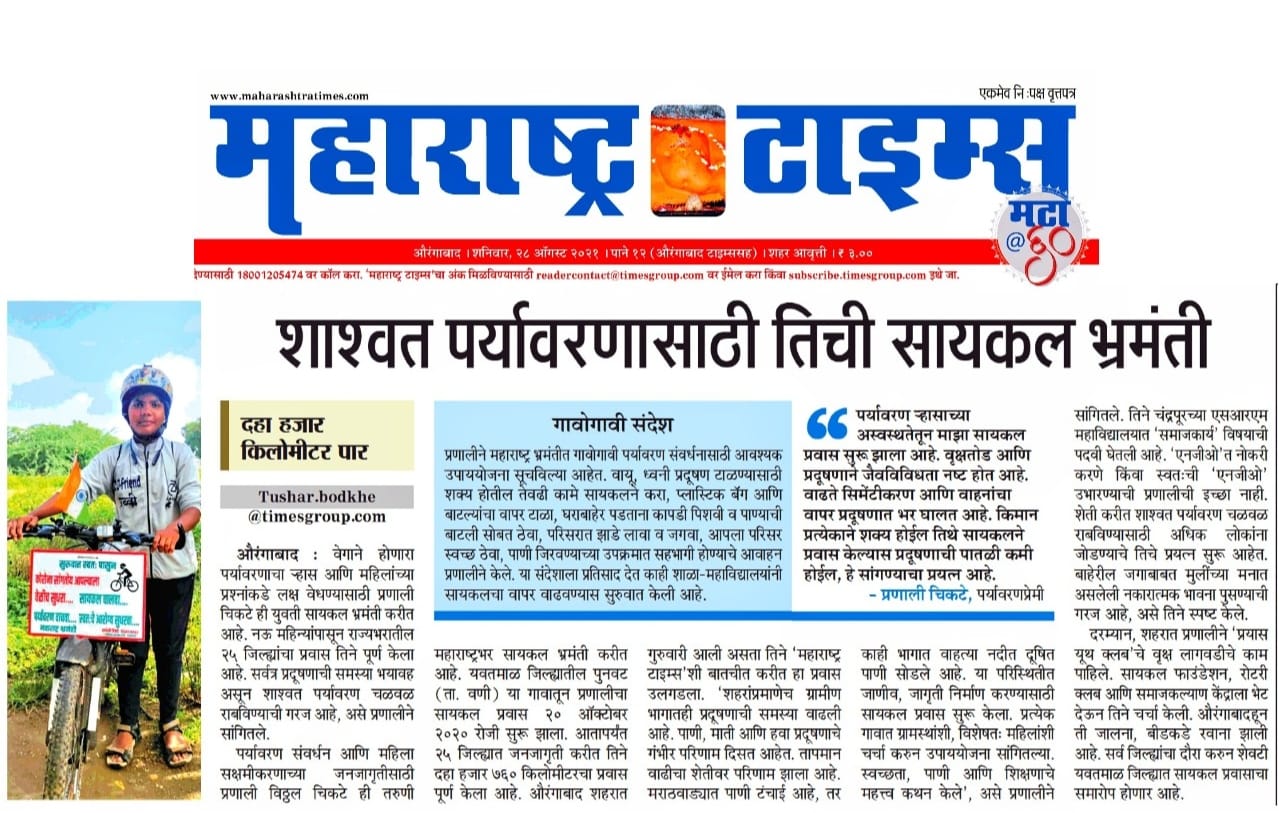
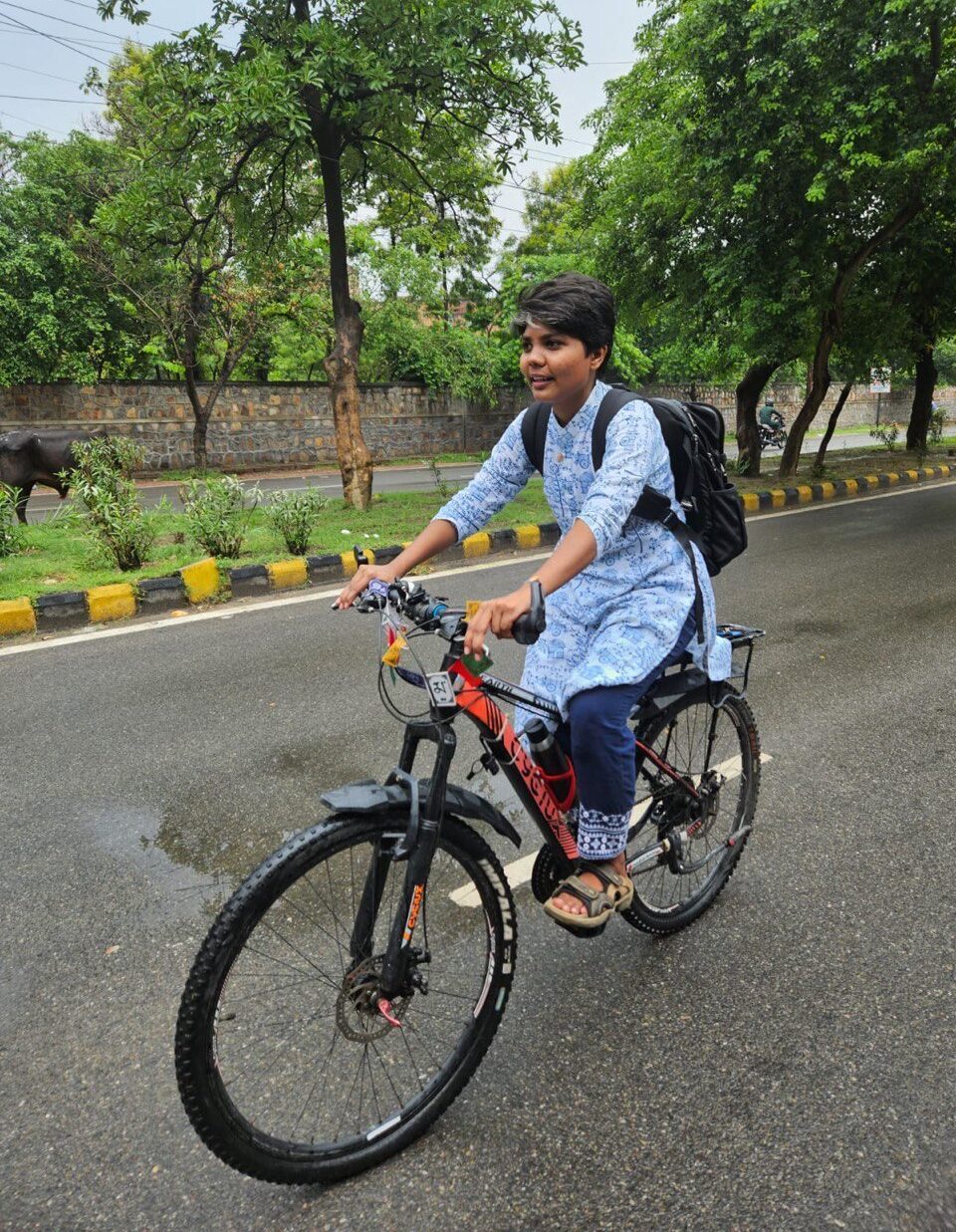
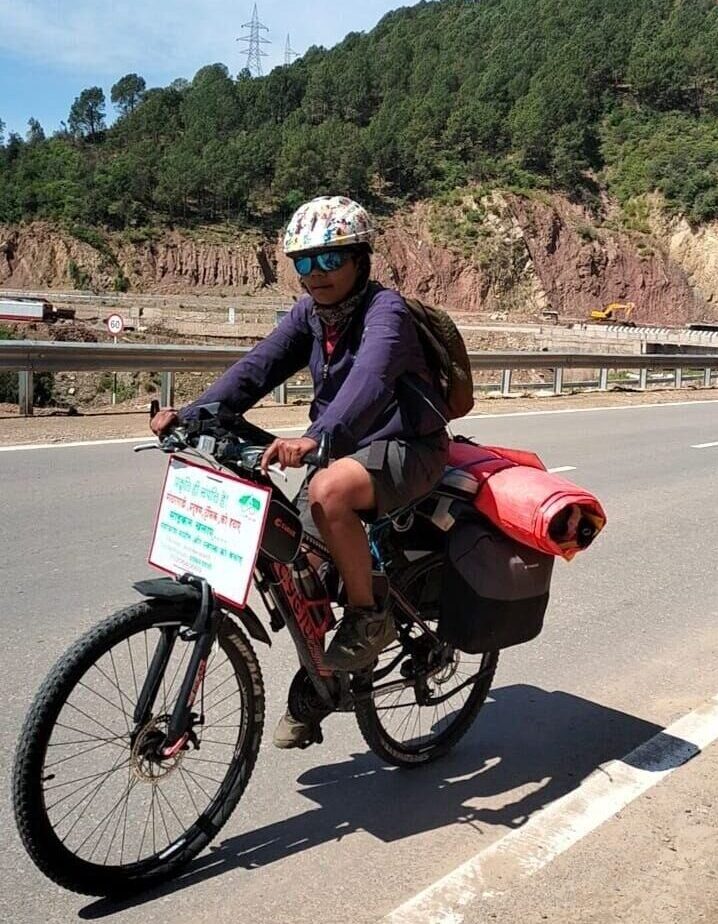
My name is Pranali Chikte, founder of cycle chaak. My journey began in a small village called Punwat, in Wani taluka of Yavatmal district, Maharashtra. My village is surrounded by mining areas. I grew up as a farmer’s daughter, and from childhood, I saw how mining and the changing environment were affecting farming, water, land, and the lives of people around us. At that time, I did not have the words to explain what I was seeing. I only had questions.
Finding My Open Classroom on the Road
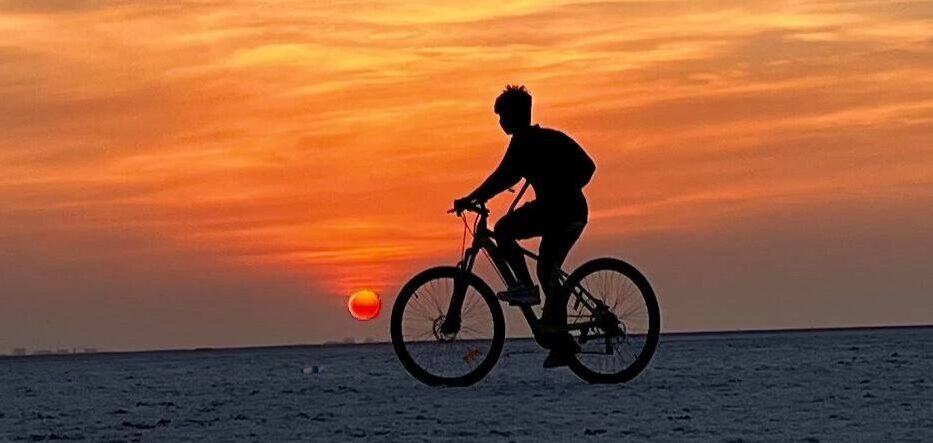
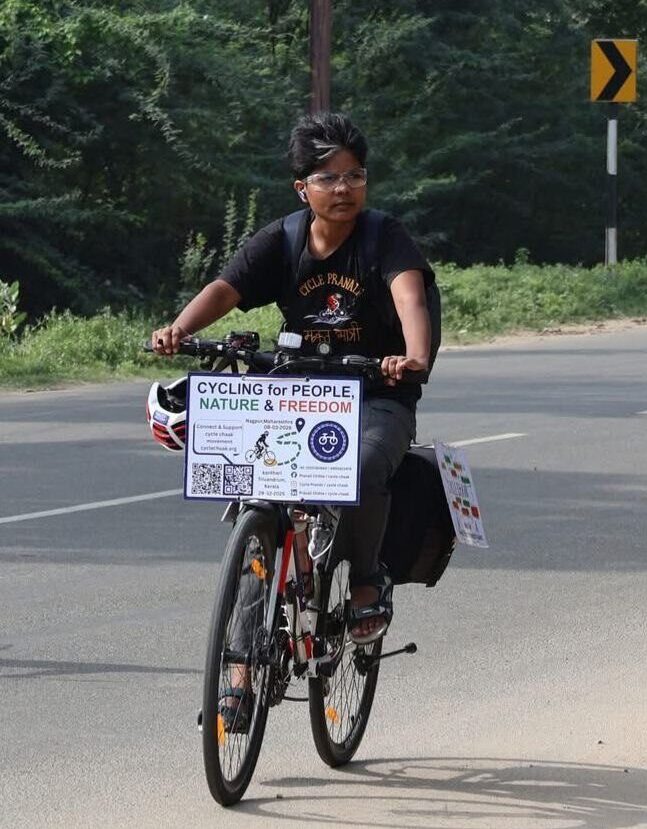
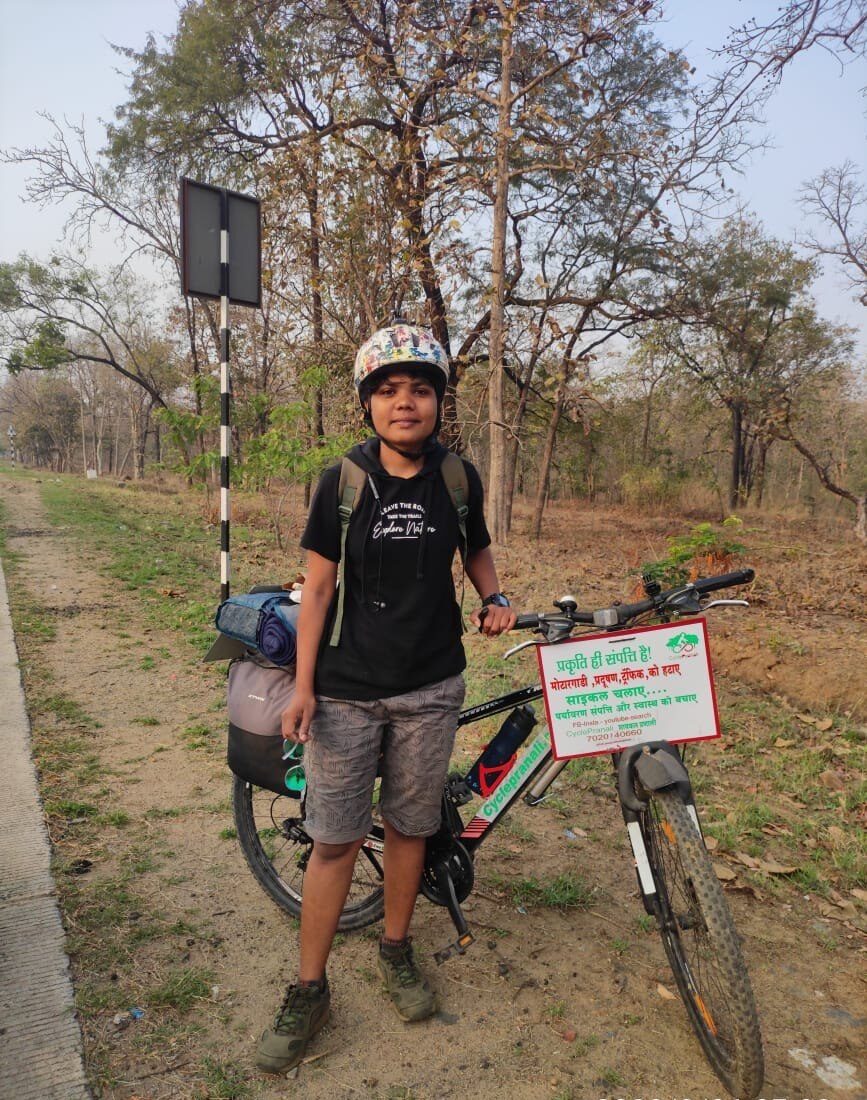
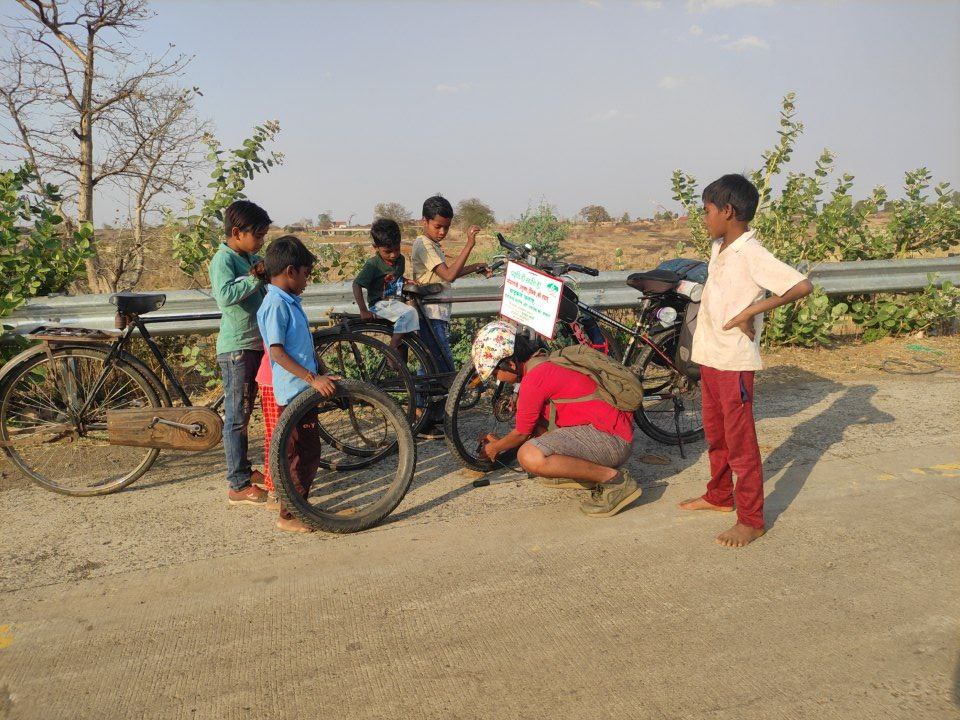
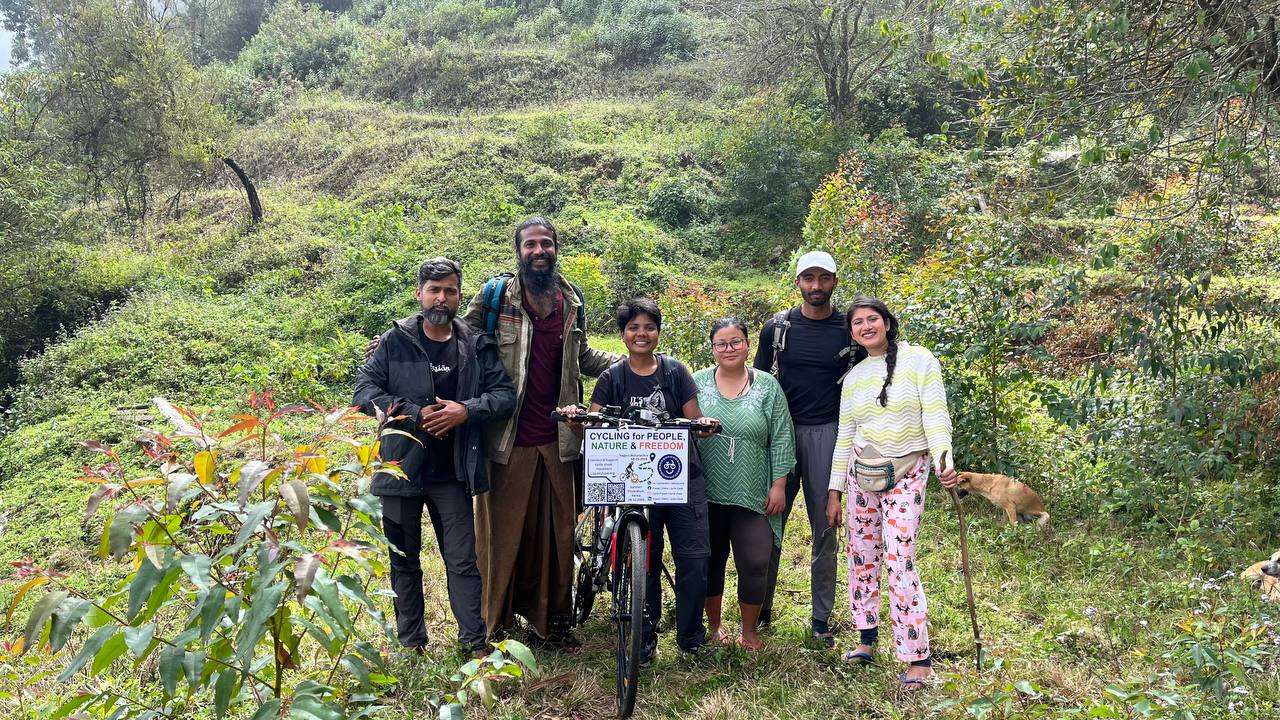
With one bicycle, three sets of clothes, no fixed plan, and faith in humanity, I started travelling. I did not know where the journey would take me. Slowly, the road became my open classroom, the people I met became my teachers, nature became my textbook, and every kilometre became an opportunity to learn, question, grow, and understand the world a little more deeply.
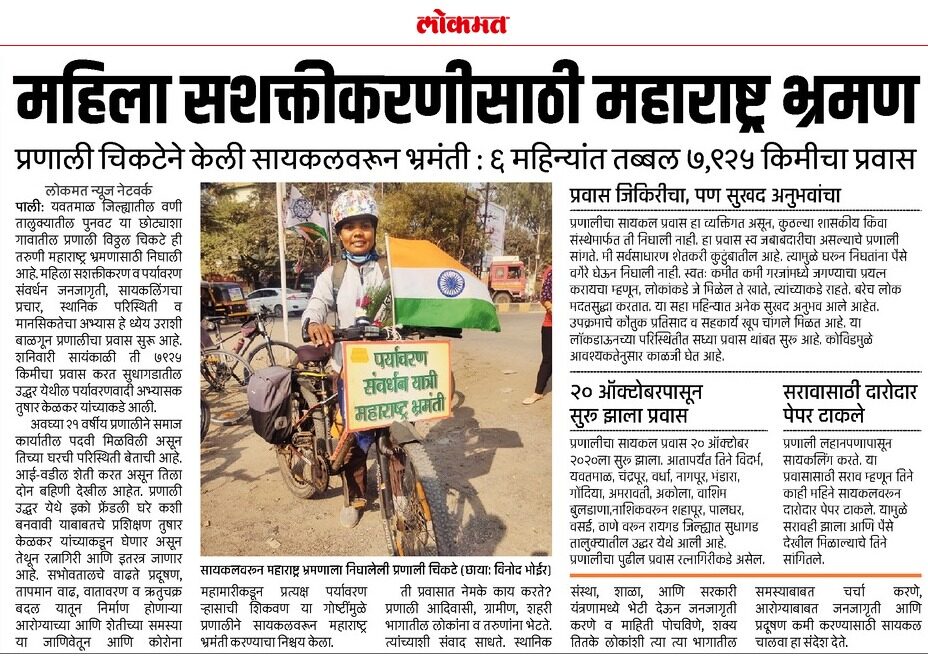
I first travelled across Maharashtra. I visited schools, colleges, villages, communities, organisations, and different groups of people. I listened to what they were doing, what they were experiencing, and what challenges they were facing. I also shared what I was learning along the way, how different problems are connected, how our choices affect nature, and how our everyday actions are connected to the larger systems around us. I was not only talking about change. I wanted to experience change through my own action. So, I kept riding. Eventually, my journey took me across 17 states of India and more than 30,000 kilometres.
A Woman, a Bicycle, and Freedom
The journey was not easy. Every day, people asked me, “Why are you travelling alone? Why are you travelling as a woman? Is it safe?” These questions followed me through many kilometres. But I was not travelling to prove that I could do something that society thought a woman could not do. I was travelling because I wanted to experience something that I believe every person deserves: freedom, the freedom to move, to explore, to make my own choices, and to decide where I want to go and how I want to live. The bicycle became more than a vehicle for me; it became a medium through which I could explore that freedom.
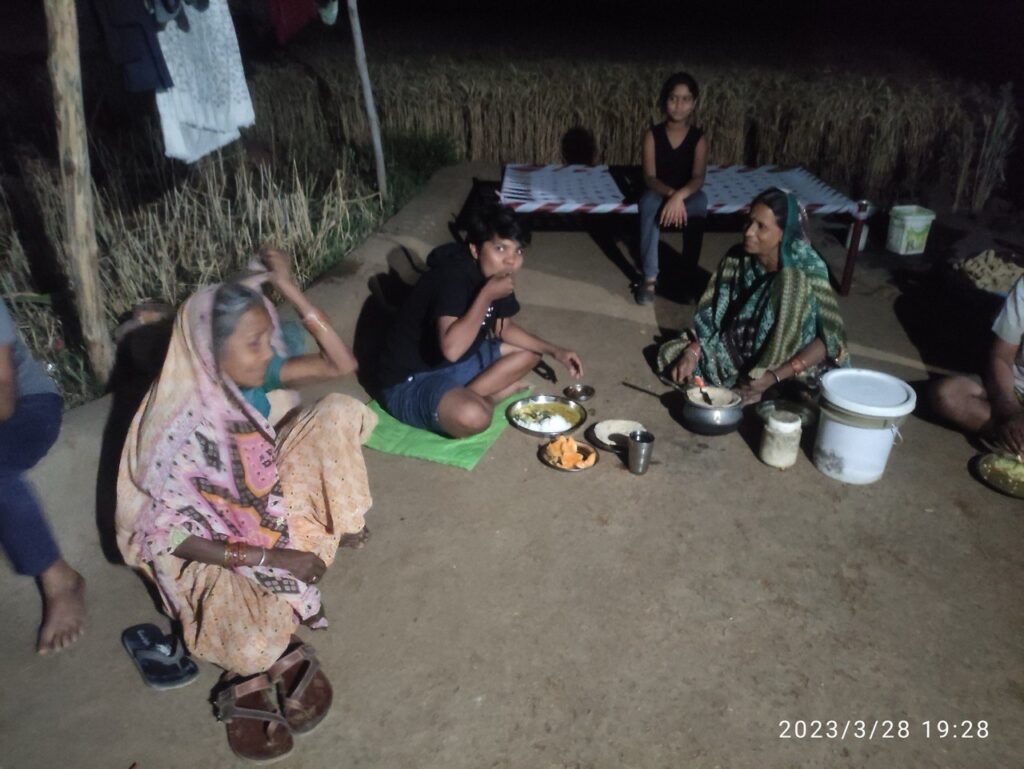
While travelling, I met people from different religions, castes, communities, regions, and backgrounds. I saw differences, inequalities, and gaps, but I also saw something much more powerful: humanity. People opened their homes to me, shared food, helped me when I needed support, listened to my story, and allowed me to listen to theirs. This changed my understanding of the world. I realised that the world is not as unsafe or as divided as we sometimes imagine it to be. At the same time, I also began to understand the deeper structures that create fear, inequality, discrimination, and exclusion.
What I Began to Understand
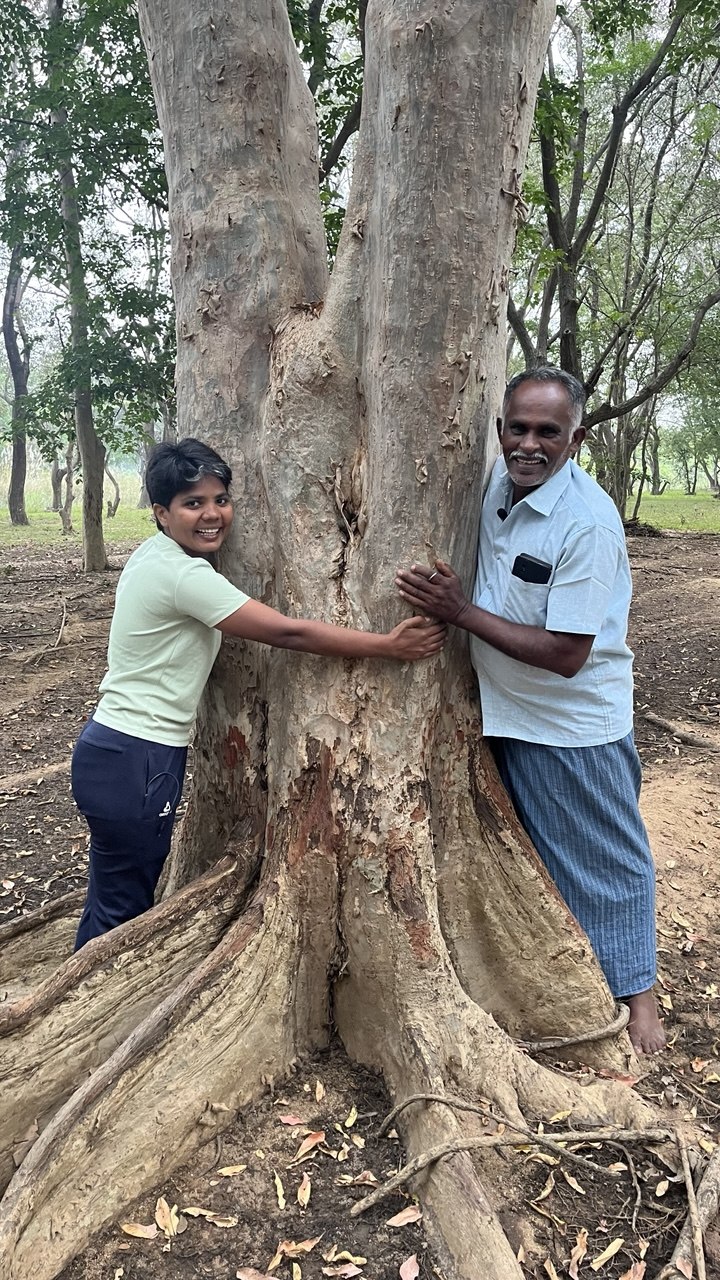
As I travelled, one connection became clearer to me: the way we treat people is connected to the way we treat nature. We have created systems that continuously extract from the earth, forests, rivers, minerals, and sometimes even from people’s labour and lives. Development is often presented as progress, but I began asking: Development for whom? If development benefits a small percentage of people while many others lose their land, water, livelihoods, health, or dignity, can we really call it development? I saw farmers and marginalised communities carrying the cost of development that they had not necessarily asked for.
I also began questioning our education system. We are taught how to get a job, earn money, compete, and become successful, but are we taught to ask: What do I actually need? What is a need and what is a want? How much is enough? Where does what I consume come from? What happens to nature because of my choices? And where do we stop? These questions stayed with me. I realised that many of our problems are not separate. Our consumption, ambitions, relationship with money, idea of development, relationship with nature, health, freedom, and communities are all connected. We often forget that we are part of nature. We know this intellectually, but we do not always live as if we believe it.
The Bicycle Became My Answer
I never learned these things inside the four walls of a classroom. I learned them on the road. Somewhere along that journey, I began to understand my own purpose. The bicycle had already given me something deeply personal: freedom. It allowed me to travel with very little. I did not need much money or luxury. I needed only a few basic things, my bicycle, and the willingness to keep moving.
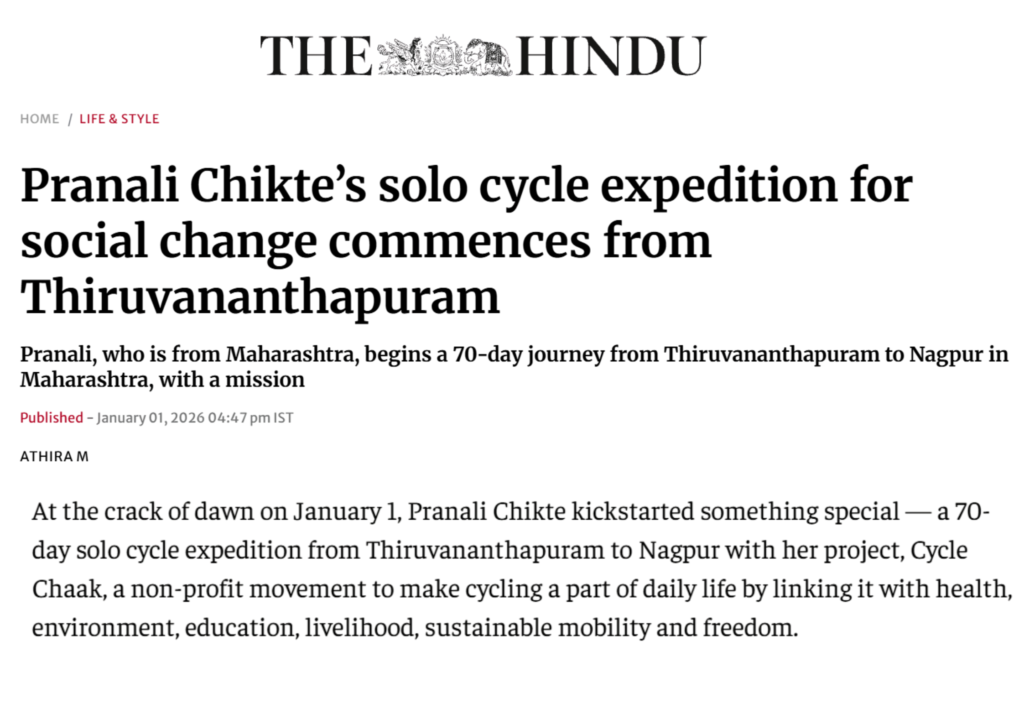
But the bicycle also gave me something much bigger. It connected me with people, slowed me down enough to notice things, helped me understand places instead of simply passing through them, and made me think about health, environment, mobility, freedom, consumption, and community in a completely different way. People started calling me “Cycle Pranali,” and gradually, the idea of cycle chaak began to take shape.
Why cycle chaak?
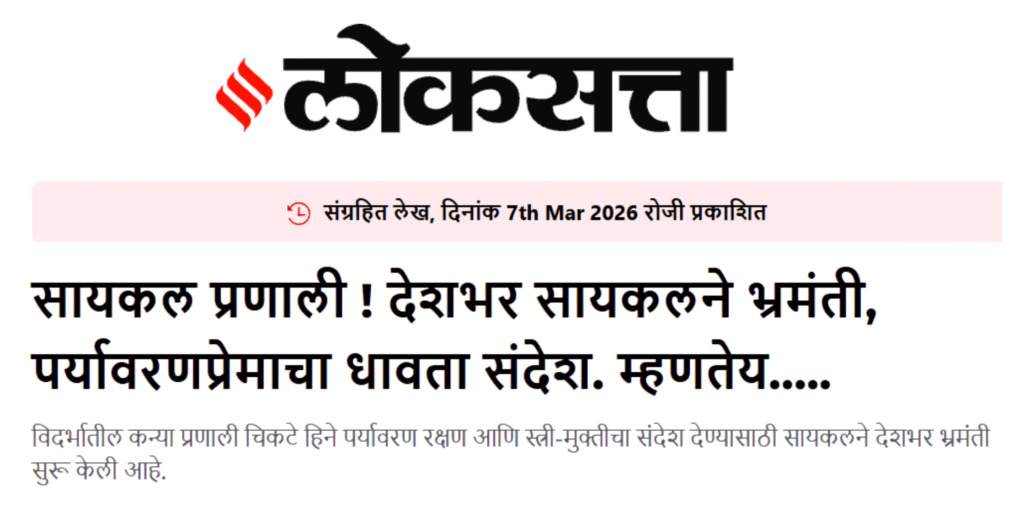
cycle chaak is not only about bicycles. For me, cycling is a starting point, a simple action that can help us reconnect with ourselves, with other people, and with nature. I want to create a culture where cycling is not seen only as a mode of transport, but as a way of life, a conscious choice, and a medium for learning and connection.
Through cycle chaak, I want to create spaces where people can learn, question, experience, and take conscious and continuous action towards a healthier, more inclusive, and sustainable society. Because I believe change does not always begin with something big. Sometimes, it begins with something as simple as choosing to slow down, choosing to listen, choosing to question what we have accepted, or choosing to move differently. And sometimes, it begins with two wheels.
The Journey Continues
My journey has not stopped. I want to travel beyond India, not simply to collect kilometres or visit countries, but to continue exploring freedom, learning from people, understanding different realities, and creating dialogues for a more just society.
I do not know exactly where this road will take me, and perhaps I don’t need to know. I have learned to trust the road, the people I meet, and the questions that keep growing inside me.
The road is still my classroom. The bicycle is still my medium. And the journey continues.